


 |
১৬ অক্টোবর, ২০২৬
|
১৬ অক্টোবর, ২০২৬ 




Dest Report: The Climate Action Forum, a citizens’ platform working to address the impacts of climate change and protect the environment in Bangladesh’s coastal regions, has formed a new national executive committee, electing Aminur Rasul as president and Sakila Parvin as vice-president.
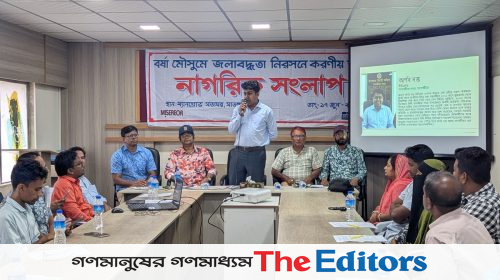
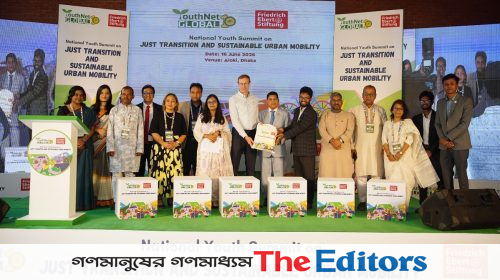
The 17-member national committee, including a seven-member executive committee, was elected at the organisation’s general meeting held at the LEDAERS office on Humayun Road in the capital.
Representatives from the central body and district chapters attended the meeting, according to a press release issued on Friday.
The executive committee comprises President Aminur Rasul, Vice-President Sakila Parvin, General Secretary Mohan Kumar Mondal, who will also oversee secretarial responsibilities, Media and Communications Secretary Raihan Ferdous, Youth Representative Shruti Rani Dey, and Executive Members Prof Mir Mohammad Ali and Khadija Khanam.
The advisory committee includes former Dhaka Reporters Unity president Rafiqul Islam Azad, Sundarbans and Coastal Protection Movement Coordinator Nikhil Chandra Bhadra, and development activist Syeda Shamima Sultana.
Speaking after his election, Aminur Rasul said Bangladesh remains one of the countries most vulnerable to climate change, with coastal areas facing the gravest threats.
He said the present government had pledged to take effective measures to address climate-related risks and expressed hope that those commitments would be implemented.
The newly elected committee, he added, would work to strengthen policy advocacy while protecting the rights of vulnerable communities and promoting sustainable climate policies.
He also said the forum would engage young people in advancing climate justice and raising environmental awareness through a range of programmes. Referring to the ongoing flood situation, he urged people from all walks of life to extend support to affected communities.
In his keynote paper, LEDARS Advocacy Officer Sakil Ahmed highlighted the multiple climate challenges confronting Bangladesh’s coastal belt, including cyclones, storm surges, river erosion, increasing salinity and shortages of safe drinking water.
He said these challenges continue to threaten livelihoods, public health and the local economy, and called for urgent policy interventions.
He presented a 21-point recommendation that included establishing a Coastal Development Board, declaring coastal areas climate- and disaster-risk zones, constructing sustainable embankments, ensuring access to safe drinking water, expanding social safety net programmes, promoting climate-resilient agriculture, conserving the Sundarbans, protecting fishing communities and encouraging environmentally sustainable development.
মন্তব্য করুন